

 02 9589 2342
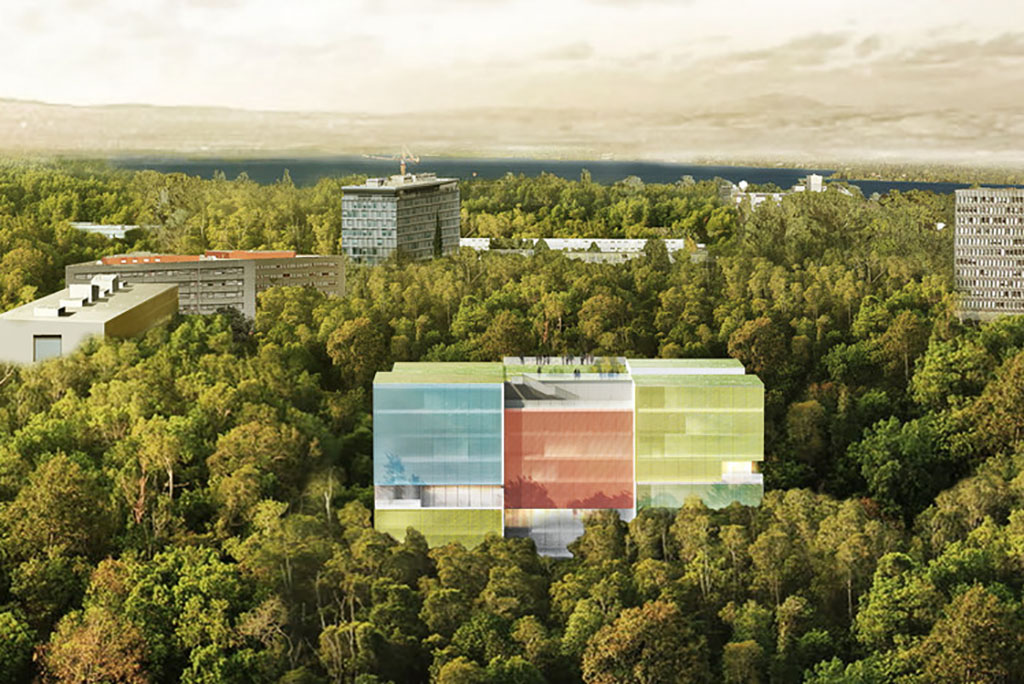
Photovoltaic technology has been around for decades, however it is only more recently that BIVC’s – that is, Building Integrated Photovoltaics, have become more prevalent in the design of buildings. BIVCs can replace more traditional building materials such as roof tiles, building cladding and glazing systems.
Photovoltaic glass is one aspect of BIVC technology where there have been several interesting developments. The production of Photovoltaic glass typically involves embedding solar cells in a resin between two glass panes. The embedded cells collect photons (sunlight) and convert these photons into electrons (electricity).
Up until recently, one of the major drawbacks of photovoltaic glass has been that once photovoltaic cells were integrated into the glass there was a substantial lose in translucency. Your glass façade cladding could generate electricity yet you couldn’t see through the glass clearly, or at all.
Around three years ago Michigan State University announced that it had created a fully transparent solar concentrator that could turn any window or sheet of glass into a photovoltaic cell. This is has paved the way for further development of solar collecting glass technology.
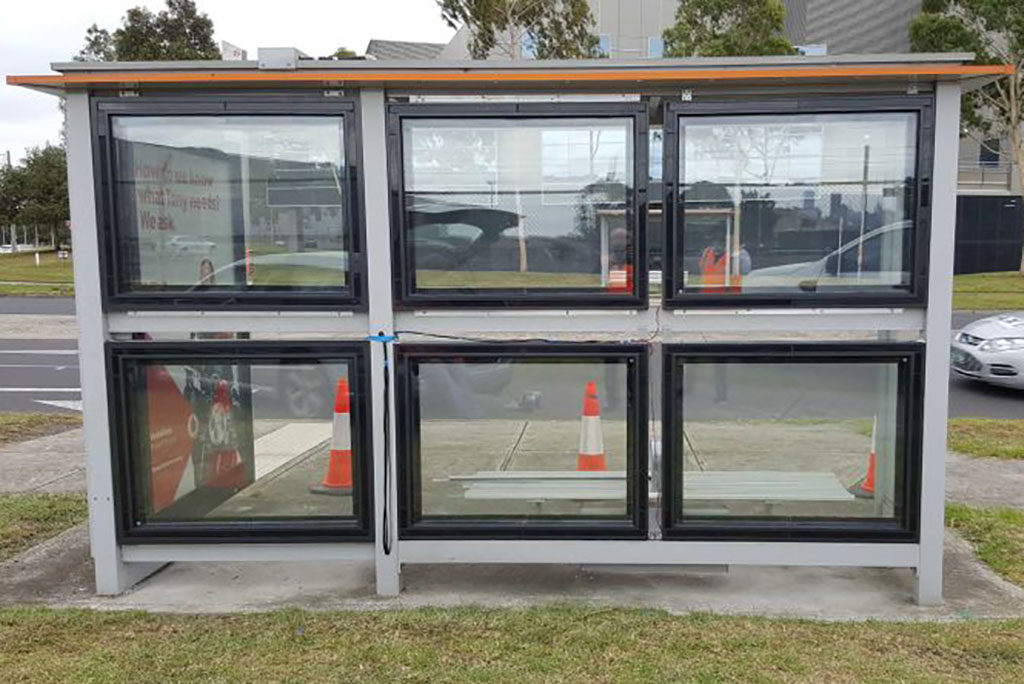
This year the ABC reported on technology that has been developed at Edith Cowan University’s Electron Science Research Institute (ESRI) in Perth. They announced that the Western Australian scientists have developed what is believed to be a world-first clear, energy harvesting glass which, if used in greenhouses, could produce crops in any climate or season.
Click here to read the ABC article and learn how the University’s photovoltaic glass works.
- Article: Vanessa Couzens
- Image 1: A bus shelter in Melbourne that is trialling photovoltaic glass to generate energy to be self-sustaining. (Image sourced from the ABC website, Original image supplied by: Victor Rosenberg).
- Image 2: Proposed Doctors Without Borders (Médecins Sans Frontières) Operational Centre in Geneva, Switzerland designed by Steven Holl Architects in collaboration with Rüssli Architekten. The building has been designed with a coloured photovoltaic glass façade cladding (Image sourced from Archdaily). Click here to read about the building.